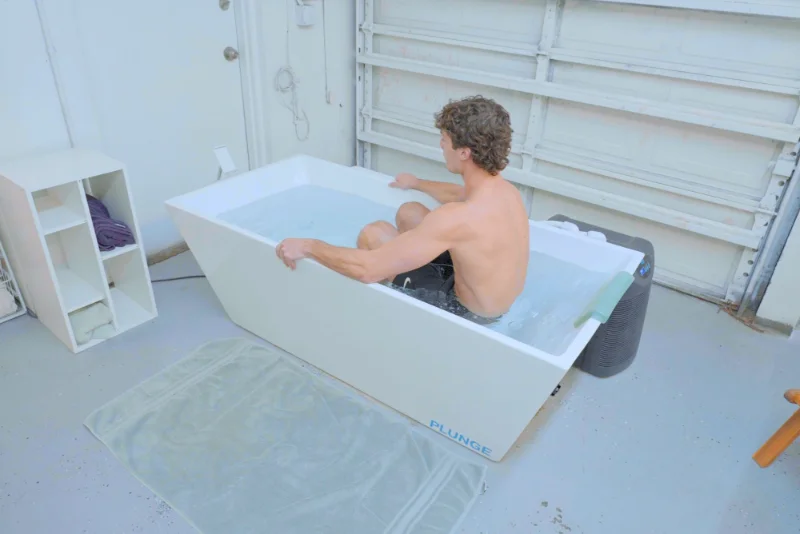

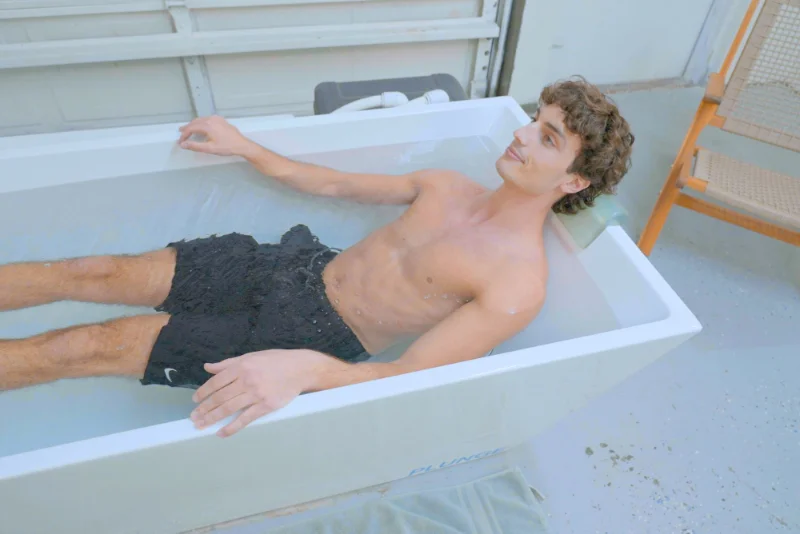
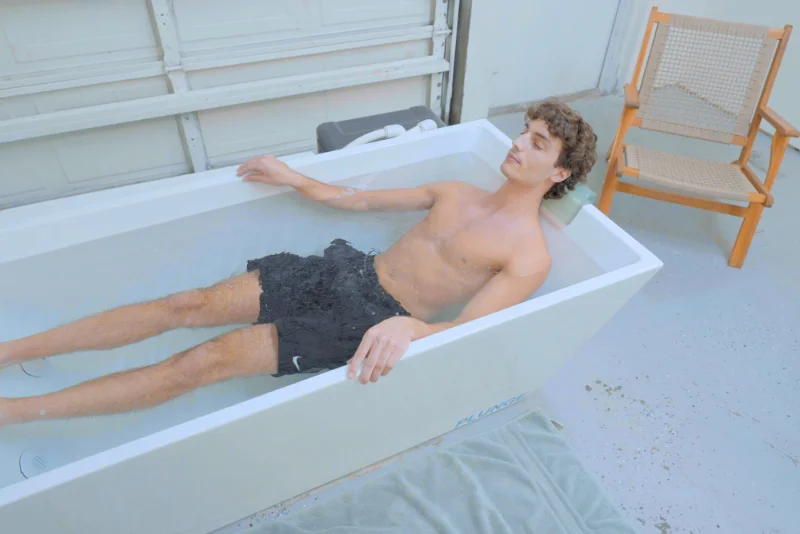
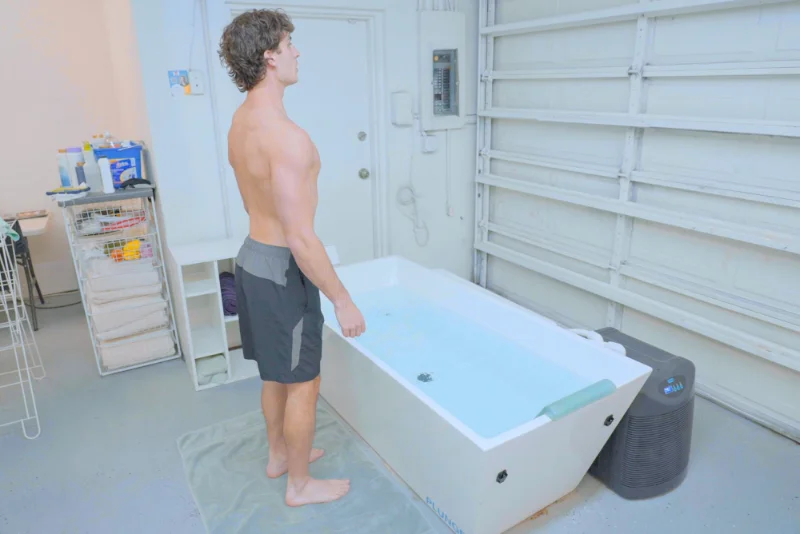
For therapeutic cold plunge, water temperature between 50°F and 59°F (10°C–15°C) is the most commonly used clinical range. This is cold enough to trigger the body's cold shock response — which drives the recovery and anti-inflammatory benefits — without being dangerous for most healthy individuals. Beginners typically start at the higher end of this range and progress as tolerance builds. Your Free Motion therapist will advise on the appropriate temperature and duration for your specific condition.
For most therapeutic applications, 2–5 minutes per session is the clinically supported range. Research on cold water immersion consistently shows that the primary physiological benefits — vasoconstriction, reduced inflammation, and nervous system activation — occur within the first few minutes. Longer sessions do not linearly increase benefit and increase risk for less experienced users. Sessions at Free Motion are guided by your physical therapist to ensure safe and effective duration for your goals.
Yes. Cold water immersion is one of the most researched interventions for acute and chronic inflammation. The cold causes vasoconstriction — narrowing of blood vessels — which reduces blood flow to inflamed tissues and decreases the accumulation of inflammatory mediators. Upon rewarming, vasodilation increases circulation and helps flush metabolic waste. This cycle is particularly effective for joint inflammation, soft tissue injuries, and post-exercise muscle damage. Cold plunge therapy is most effective when used consistently as part of a broader recovery plan.
Research suggests that regular cold water immersion can positively influence immune function. Cold exposure has been shown to increase the production of white blood cells and norepinephrine — a hormone that plays a role in immune regulation and anti-inflammatory signaling. Regular cold plunge practice has been associated with reduced frequency of upper respiratory illness in some studies. However, the immune benefits are cumulative and depend on consistency — a single session is unlikely to produce a noticeable immune effect.
Cold plunge therapy is not recommended for individuals with cardiovascular disease, uncontrolled hypertension, Raynaud's disease, peripheral artery disease, or cold urticaria (cold allergy). Pregnant women should also avoid cold water immersion. If you have any underlying health conditions, consult your physician before beginning cold plunge therapy. At Free Motion Physical Therapy, your therapist will conduct a brief health screening before your first session to confirm it is appropriate for you.
Yes — and combining cold plunge with physical therapy is one of the most effective recovery approaches available. Cold immersion after a physical therapy session reduces treatment-induced soreness and accelerates tissue recovery. It can also be used before a session to reduce pain sensitivity in chronically inflamed areas. Free Motion Physical Therapy in Clearwater offers cold plunge sessions alongside your physical therapy program, allowing your therapist to sequence both treatments for maximum benefit.
