Understanding LiveO2 Therapy for Enhanced Recovery
LiveO2 therapy, also known as LiveO2 Adaptive Contrast, is an advanced treatment offered at Free Motion Physical Therapy designed to significantly accelerate the body's natural healing processes. This innovative approach utilizes a specialized oxygen mask that allows patients to breathe air with a higher concentration of oxygen, interspersed with periods of normal oxygen levels. This controlled variation in oxygen intake stimulates various physiological responses that are crucial for tissue repair and overall performance enhancement.
The core principle behind LiveO2 therapy is to create a condition of mild, controlled oxygen deprivation followed by hyperoxygenation. This contrast therapy prompts the body to produce more red blood cells and improve circulation, leading to better oxygen delivery to injured or inflamed tissues. This enhanced oxygenation is vital for reducing inflammation, clearing metabolic waste products, and promoting the regeneration of damaged cells, making it an effective tool for athletes, individuals recovering from injuries, and those managing chronic pain conditions.
Exploring the Benefits of Neubie Therapy for Neuromuscular Rehabilitation
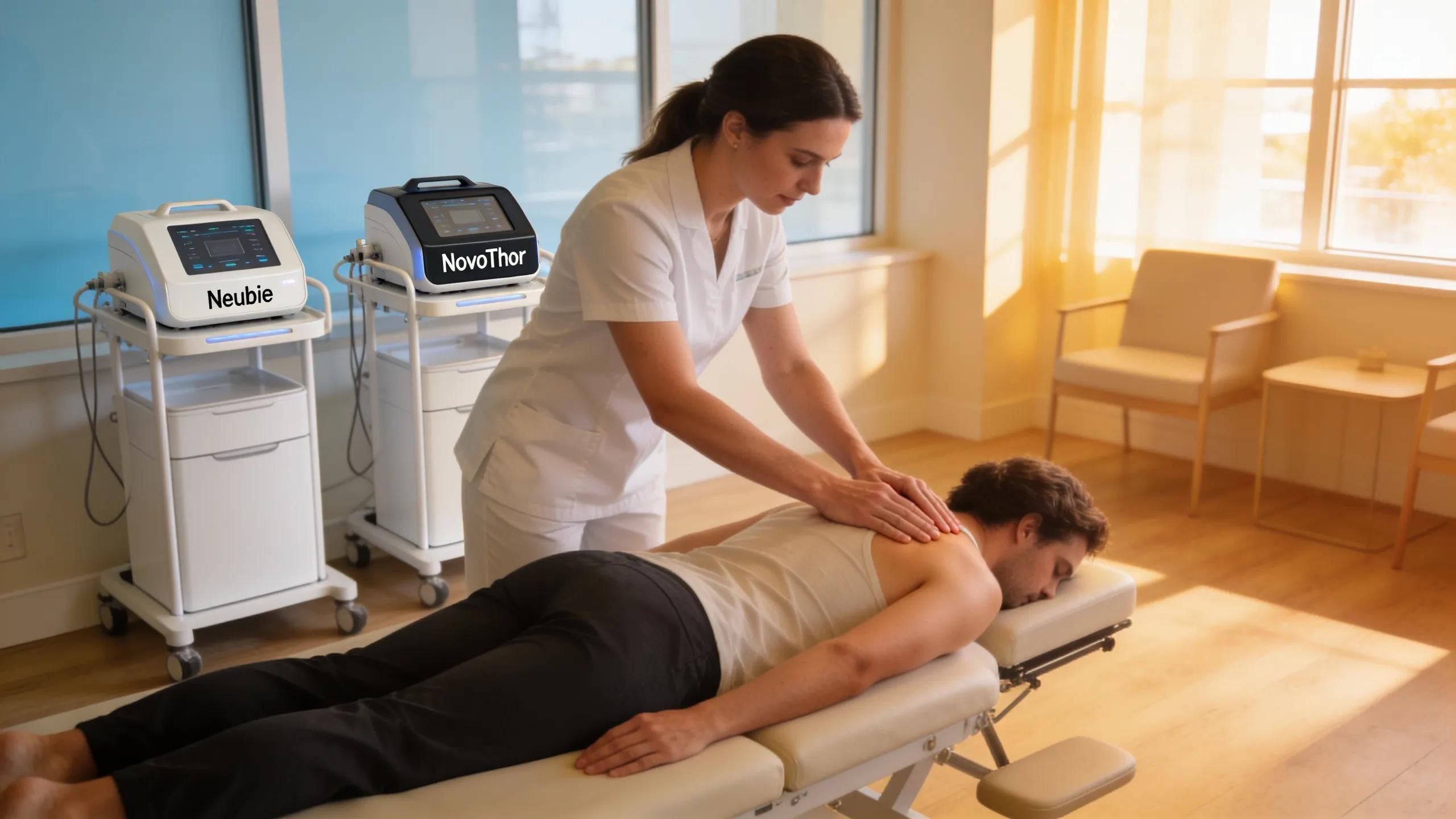
Neubie therapy represents a cutting-edge approach to physical rehabilitation, utilizing a device that delivers gentle electrical stimulation to retrain muscles and nerves. This therapy is particularly effective for individuals experiencing chronic pain, delayed recovery from injuries, or limitations in their range of motion. By targeting the neuromuscular system, Neubie therapy aims to restore proper muscle function and improve the communication between the brain and the muscles.
The Neubie device works by sending low-level electrical impulses that mimic the body's natural nerve signals. This stimulation helps to break down scar tissue, reduce muscle spasms, and increase blood flow to the affected areas. Unlike traditional electrical stimulation, Neubie's unique waveform is designed to be highly effective at re-educating muscles, promoting faster and more complete recovery. It is a non-invasive and comfortable treatment that can be tailored to the specific needs of each patient, making it a valuable addition to a comprehensive physical therapy program.
Pelvic Wave Therapy: Addressing Pelvic Floor Dysfunction and Improving Quality of Life
Pelvic Wave Therapy is a specialized treatment designed to address a range of pelvic floor dysfunctions, including urinary incontinence, pelvic pain, and sexual dysfunction. Many individuals, particularly women, suffer from these conditions, which can significantly impact their daily lives and self-esteem. This non-invasive therapy utilizes gentle wave technology to stimulate and strengthen the pelvic floor muscles, offering a safe and effective solution for restoring function and improving overall well-being.
The therapy works by delivering targeted acoustic waves to the pelvic floor muscles, promoting muscle contraction, improved circulation, and tissue regeneration. This process helps to rebuild weakened muscles, alleviate pain, and restore normal bodily functions. Pelvic Wave Therapy offers a discreet and comfortable alternative to more invasive treatments, providing relief and enhancing the quality of life for those affected by pelvic floor issues. It is a crucial component of comprehensive care for a variety of pelvic health concerns.
The Role of REACT Table Therapy in Advanced Muscle Rehabilitation
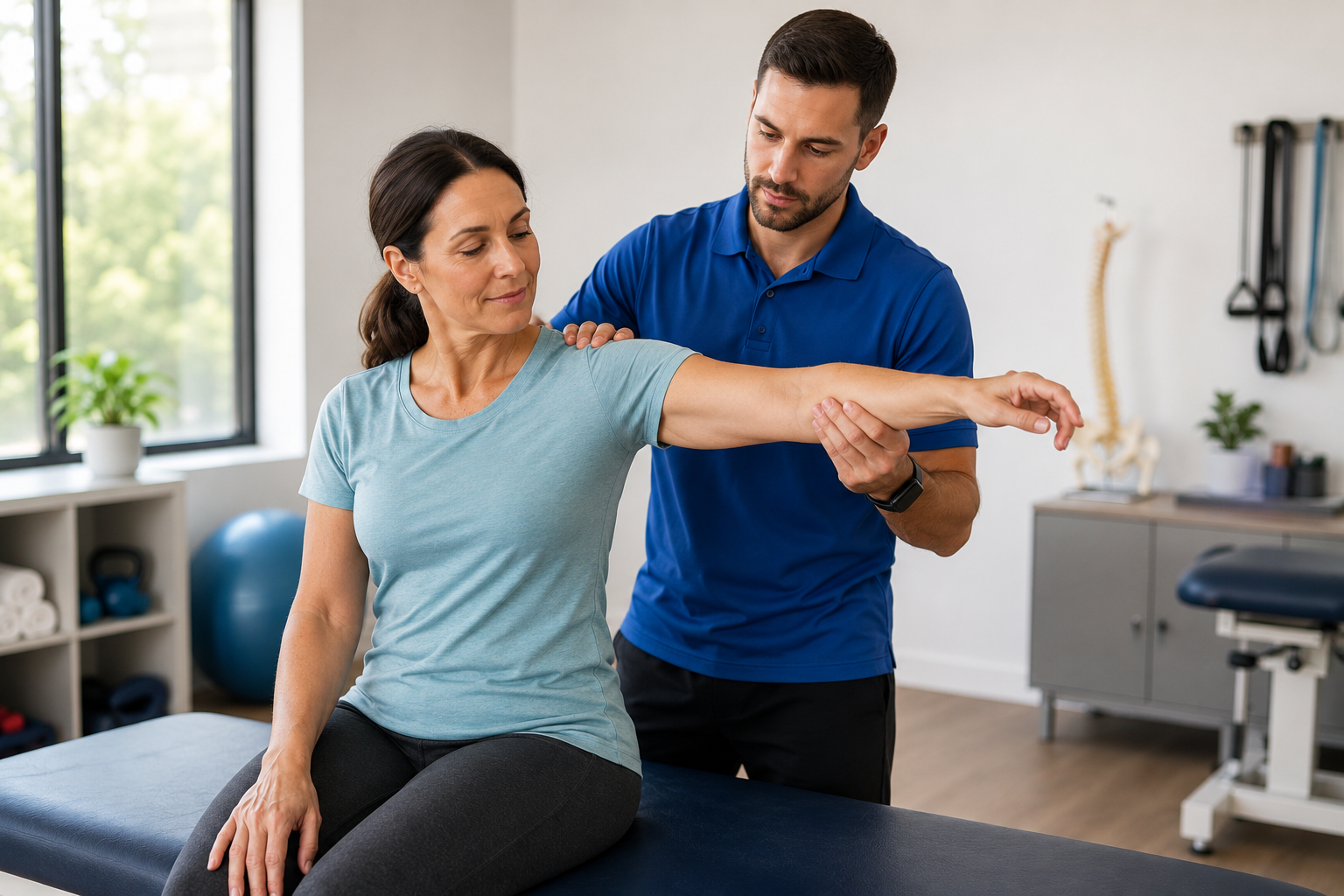
The REACT Table is an innovative piece of equipment used in physical therapy to facilitate advanced muscle rehabilitation and restore optimal muscle function. This specialized table is designed to provide controlled, dynamic resistance, allowing patients to engage in therapeutic exercises that promote strength, mobility, and proprioception. It is particularly beneficial for individuals recovering from injuries, post-surgical patients, and athletes seeking to enhance their performance and prevent future setbacks.
REACT Table Therapy employs a unique system that allows for precise adjustments in resistance, enabling therapists to tailor exercises to the individual's specific needs and recovery stage. By promoting active movement against controlled resistance, the therapy helps to rebuild muscle strength, improve coordination, and enhance the body's ability to sense its position in space. This comprehensive approach to muscle rehabilitation not only aids in recovery but also plays a vital role in preventing re-injury and optimizing physical capabilities.