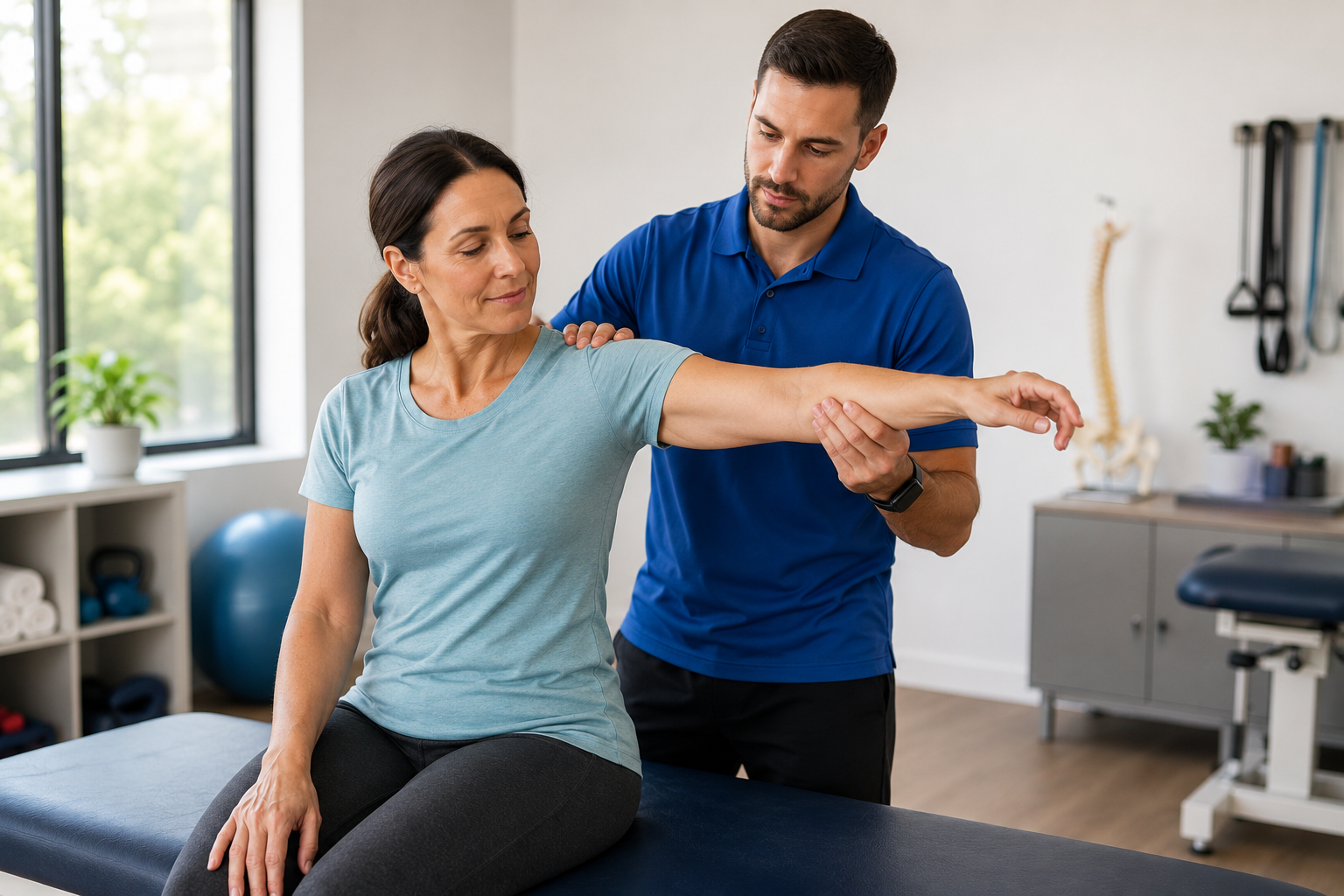
Chronic pain affects millions of individuals, often leading to debilitating conditions that disrupt daily life. Physical therapy stands out as a revolutionary approach to chronic pain management, emphasizing rehabilitation through specific, targeted exercises and treatment techniques. This article delves into the various physical therapy options available for chronic pain relief, exploring effective exercises, treatment methods, and the myriad benefits associated with physical therapy. Understanding how these therapies work can empower individuals to take control of their pain and enhance their quality of life.
The journey through pain management in physical therapy includes effective exercises, manual techniques, and comprehensive rehabilitation methods. We will explore the core benefits of manual therapy, rehabilitation strategies, and the primary types of physical therapy that specifically address chronic pain. Additionally, we will assess how these methods work together to foster recovery, improve mobility, and enhance well-being.
Physical therapy for chronic pain incorporates a variety of exercises and treatment techniques designed to alleviate discomfort and improve function. The most notable options include:
Manual Therapy: This hands-on approach involves mobilizing soft tissue and joints to reduce tension and pain, enhancing physical function.
Myofascial Release: A specialized technique that focuses on relieving tension in the fascia and connective tissues, crucial for overall physical performance.
Therapeutic Exercises: Tailored exercises aimed at strengthening muscles, improving flexibility, and enhancing overall functional movement.
Manual Therapy: This hands-on approach involves mobilizing soft tissue and joints to reduce tension and pain, enhancing physical function.
Myofascial Release: A specialized technique that focuses on relieving tension in the fascia and connective tissues, crucial for overall physical performance.
Therapeutic Exercises: Tailored exercises aimed at strengthening muscles, improving flexibility, and enhancing overall functional movement.
These methods are tailored to meet individual needs, making them highly effective for different types of chronic pain conditions. Through these targeted interventions, physical therapy can significantly mitigate pain and improve patient outcomes.

Manual therapy offers numerous advantages when it comes to managing chronic pain, playing a vital role in physical rehabilitation. The key benefits include:
Pain and Stiffness Reduction: Manual therapy helps alleviate muscle tension and joint stiffness, leading to immediate pain relief for patients.
Improved Range of Motion: By mobilizing joints and soft tissues, it enhances flexibility and overall joint function.
Enhanced Blood Flow: This technique increases circulation, reducing inflammation and promoting healing in affected areas.
Pain and Stiffness Reduction: Manual therapy helps alleviate muscle tension and joint stiffness, leading to immediate pain relief for patients.
Improved Range of Motion: By mobilizing joints and soft tissues, it enhances flexibility and overall joint function.
Enhanced Blood Flow: This technique increases circulation, reducing inflammation and promoting healing in affected areas.
These benefits showcase how manual therapy can accelerate the healing process and improve patients' mobility, particularly for individuals dealing with chronic pain conditions.
For those contemplating physical therapy, understanding the importance of these therapeutic services is crucial. The range of approaches available can significantly enhance the effectiveness of treatment plans and overall recovery strategies.

Rehabilitation methods in physical therapy play a crucial role in managing chronic pain and typically entail a multifaceted approach. These include:
Education and Self-Management: Teaching patients effective techniques for pain management and recovery strategies.
Pain Relief Modalities: Utilization of tools like heat, cold, ultrasound, or electrical stimulation to manage pain effectively.
Custom Treatment Plans: Tailored rehabilitation programs to address individual needs enhance the effectiveness of physical therapy.
Education and Self-Management: Teaching patients effective techniques for pain management and recovery strategies.
Pain Relief Modalities: Utilization of tools like heat, cold, ultrasound, or electrical stimulation to manage pain effectively.
Custom Treatment Plans: Tailored rehabilitation programs to address individual needs enhance the effectiveness of physical therapy.
Implementing these methods not only aids in pain management but also fosters a proactive approach to chronic pain rehabilitation, equipping patients with the tools they need for a successful recovery.
Physical therapy encompasses various disciplines aimed at addressing chronic pain, with the most relevant types being:
Exercise Therapy: Focused on essential exercises tailored to improve strength, flexibility, and functional mobility.
Manual Therapy: Involves hands-on techniques to manipulate soft tissues and joints.
Myofascial Release: Targets tension in the fascia, offering significant pain relief.
Exercise Therapy: Focused on essential exercises tailored to improve strength, flexibility, and functional mobility.
Manual Therapy: Involves hands-on techniques to manipulate soft tissues and joints.
Myofascial Release: Targets tension in the fascia, offering significant pain relief.
Each of these therapies contributes to holistic pain relief, targeting the underlying causes of discomfort while promoting overall well-being.
Exercise therapy significantly reduces chronic pain by focusing on strengthening specific muscle groups and improving overall flexibility. By engaging in structured exercise regimens, patients can:
Enhance muscle endurance, reducing the strain on painful areas.
Improve overall body mechanics, leading to better functional movement.
Stimulate the release of endorphins, which naturally alleviate pain.
Enhance muscle endurance, reducing the strain on painful areas.
Improve overall body mechanics, leading to better functional movement.
Stimulate the release of endorphins, which naturally alleviate pain.
These mechanisms collectively contribute to enhanced mobility, enabling patients to perform daily activities with improved ease and comfort.
The Role of Exercise in Chronic Pain Rehabilitation
Chronic pain is one of the most common complaints seen in general practitioners’ offices, and it contributes to social, emotional, physical, and economical losses. The management of this problem poses challenges for health care providers when the current treatment of choice for chronic pain is pharmacological management, which may not be a sufficient and/or holistic approach to the management of chronic pain. Our goal is to increase awareness of the significance of physical activity, as well as examine additional cost-effective, integrated approaches to help manage the complex and debilitating effects of this condition. This article summarizes the types of exercise in the rehabilitation of chronic pain patients and provides practical recommendations for the clinician based on empirical and clinical experience. This safe, cost-free, nonpharmacologic way of managing pain has been found to reduce anxiety and depression, improve physical capacity, increase functioning and independence, and reduce morbidity and mortality.
The role of exercise and types of exercise in the rehabilitation of chronic pain: specific or nonspecific benefits, AB Sullivan, 2012
The Role of Exercise in Chronic Pain Rehabilitation
Chronic pain is one of the most common complaints seen in general practitioners’ offices, and it contributes to social, emotional, physical, and economical losses. The management of this problem poses challenges for health care providers when the current treatment of choice for chronic pain is pharmacological management, which may not be a sufficient and/or holistic approach to the management of chronic pain. Our goal is to increase awareness of the significance of physical activity, as well as examine additional cost-effective, integrated approaches to help manage the complex and debilitating effects of this condition. This article summarizes the types of exercise in the rehabilitation of chronic pain patients and provides practical recommendations for the clinician based on empirical and clinical experience. This safe, cost-free, nonpharmacologic way of managing pain has been found to reduce anxiety and depression, improve physical capacity, increase functioning and independence, and reduce morbidity and mortality.
The role of exercise and types of exercise in the rehabilitation of chronic pain: specific or nonspecific benefits, AB Sullivan, 2012
Manual therapy provides multifaceted benefits for chronic pain patients. It predominantly focuses on relieving muscle tension and enhancing movement, thereby yielding outcomes such as:
Pain Relief Efficacy: Patients often experience immediate pain alleviation post-treatment.
Circulation Improvement: Improved blood flow can facilitate more efficient healing.
Stress Reduction: The therapeutic touch involved in manual therapy can help lower stress levels, positively influencing pain perception.
Pain Relief Efficacy: Patients often experience immediate pain alleviation post-treatment.
Circulation Improvement: Improved blood flow can facilitate more efficient healing.
Stress Reduction: The therapeutic touch involved in manual therapy can help lower stress levels, positively influencing pain perception.
These insights underline the importance of manual therapy within a comprehensive physical therapy approach.
Physical therapy provides targeted support for recovery and rehabilitation in various ways. A key factor is the creation of individualized treatment plans that incorporate:
Focused Pain Relief Techniques: Tailored methods help alleviate specific discomforts, promoting recovery.
Long-Term Recovery Strategies: A comprehensive approach that includes education, self-management tools, and consistent follow-ups fosters sustained recovery.
Focused Pain Relief Techniques: Tailored methods help alleviate specific discomforts, promoting recovery.
Long-Term Recovery Strategies: A comprehensive approach that includes education, self-management tools, and consistent follow-ups fosters sustained recovery.
This supportive framework ensures that patients have the resources and guidance necessary for effective pain management and rehabilitation.
Effective pain relief rehabilitation methods typically include strategies that cater to the unique needs of individuals experiencing chronic pain. Essential methodologies include:
Assessment and Individualized Plans: Each patient's unique situation is thoroughly evaluated before forming a personalized recovery plan.
Patient Education: Informed patients make better decisions about their treatment, enhancing cooperation and outcomes.
Incorporation of Advanced Modalities: Utilizing state-of-the-art techniques like dry needling or kinesiology taping can further enhance rehabilitation protocols.
Assessment and Individualized Plans: Each patient's unique situation is thoroughly evaluated before forming a personalized recovery plan.
Patient Education: Informed patients make better decisions about their treatment, enhancing cooperation and outcomes.
Incorporation of Advanced Modalities: Utilizing state-of-the-art techniques like dry needling or kinesiology taping can further enhance rehabilitation protocols.
These methods emphasize the importance of a tailored approach to recovery, showcasing the significant benefits of comprehensive rehabilitation plans.
Neuromuscular re-education plays a pivotal role in chronic pain management by restoring normal movement patterns and improving muscle coordination. This approach focuses on:
Understanding Muscular Communication: Enhancing the brain's connection with muscles to improve functional movement.
Restoring Motor Patterns: Correcting improper movement mechanics that contribute to pain.
Improving Mobility: Facilitating smoother movement patterns can significantly elevate an individual's quality of life.
Understanding Muscular Communication: Enhancing the brain's connection with muscles to improve functional movement.
Restoring Motor Patterns: Correcting improper movement mechanics that contribute to pain.
Improving Mobility: Facilitating smoother movement patterns can significantly elevate an individual's quality of life.
By addressing these foundational aspects of movement, neuromuscular re-education aids in reducing chronic pain effectively.
Integrating holistic and complementary approaches into physical therapy can further enhance pain relief. Notable techniques include:
Mindfulness Practices: Meditation and deep-breathing exercises can help reduce stress and pain perception.
Yogic Techniques: Incorporating yoga can improve flexibility and mental well-being.
Cognitive Behavioral Therapy: This approach addresses emotional aspects of pain, providing patients with tools for coping.
Mindfulness Practices: Meditation and deep-breathing exercises can help reduce stress and pain perception.
Yogic Techniques: Incorporating yoga can improve flexibility and mental well-being.
Cognitive Behavioral Therapy: This approach addresses emotional aspects of pain, providing patients with tools for coping.
These complementary methods work in synergy with traditional physical therapy, leading to more comprehensive pain management and patient empowerment.
Various holistic techniques effectively complement conventional therapies, including:
Therapeutic Massage: Aiding relaxation and alleviating muscle tension.
Breathing Exercises: Supporting relaxation during and after therapy sessions.
Tai Chi: Improving balance and mobility, which is vital for chronic pain patients.
Therapeutic Massage: Aiding relaxation and alleviating muscle tension.
Breathing Exercises: Supporting relaxation during and after therapy sessions.
Tai Chi: Improving balance and mobility, which is vital for chronic pain patients.
These techniques can provide additional pain relief, enhancing overall treatment effectiveness by fostering a holistic perspective on health.
Patient education is at the forefront of effective chronic pain management, enabling individuals to:
Engage in home exercise programs tailored to their specific needs.
Attend workshops on pain management to enhance understanding.
Actively participate in their treatment decisions, improving adherence and outcomes.
Engage in home exercise programs tailored to their specific needs.
Attend workshops on pain management to enhance understanding.
Actively participate in their treatment decisions, improving adherence and outcomes.
By equipping patients with knowledge and resources, physical therapists help patients become active participants in their recovery process.
Patients engaging in physical therapy for chronic pain can anticipate several positive outcomes, including:
Pain Reduction: Noticeably reduced discomfort over time with consistent therapy.
Enhanced Quality of Life: Improved day-to-day functioning and emotional well-being.
Increased Functional Abilities: Patients often attain enhanced mobility and strength through systematic therapy.
Pain Reduction: Noticeably reduced discomfort over time with consistent therapy.
Enhanced Quality of Life: Improved day-to-day functioning and emotional well-being.
Increased Functional Abilities: Patients often attain enhanced mobility and strength through systematic therapy.
These anticipated benefits highlight the value and effectiveness of physical therapy in chronic pain management.
Physical therapy works synergistically to reduce pain and improve quality of life through a variety of mechanisms, such as:
Restoration of Movement: Facilitating the rediscovery of movement in previously painful areas.
Long-Term Pain Management: Establishing lasting strategies for pain control.
Emotional Well-Being: Creating a supportive environment where patients feel empowered and optimistic.
Restoration of Movement: Facilitating the rediscovery of movement in previously painful areas.
Long-Term Pain Management: Establishing lasting strategies for pain control.
Emotional Well-Being: Creating a supportive environment where patients feel empowered and optimistic.
These factors underscore the transformative impact of physical therapy on individuals suffering from chronic pain.
Certain chronic pain conditions are particularly responsive to physical therapy treatments, including:
Fibromyalgia: Beneficial due to its focus on improving overall function and reducing pain.
Arthritis: Helps maintain joint mobility and reduce inflammation.
Back Pain: Physical therapy is essential for restoring movement and alleviating pain.
Fibromyalgia: Beneficial due to its focus on improving overall function and reducing pain.
Arthritis: Helps maintain joint mobility and reduce inflammation.
Back Pain: Physical therapy is essential for restoring movement and alleviating pain.
Understanding these specific conditions illustrates just how pivotal physical therapy can be in managing chronic pain effectively.
Patients often have many questions about physical therapy, such as:
What are the treatment expectations?: Understanding what to expect helps set appropriate goals.
What types of therapies are available?: Clarity on options aids in informed decision-making.
What potential outcomes can be expected?: Knowing possible results helps patients navigate their recovery journey.
What are the treatment expectations?: Understanding what to expect helps set appropriate goals.
What types of therapies are available?: Clarity on options aids in informed decision-making.
What potential outcomes can be expected?: Knowing possible results helps patients navigate their recovery journey.
Addressing these questions can enhance transparency and trust between therapists and patients, leading to better outcomes.
The duration of physical therapy required to relieve chronic pain varies significantly based on individual conditions. Typical influences on therapy length include:
Typical Session Durations: Many sessions last between 30 to 60 minutes, depending on the specific treatment focus.
Patient Engagement Impact: Active participation and adherence to home programs can accelerate recovery.
Expected Improvement Timelines: Patients may begin experiencing relief within weeks, although comprehensive healing can take several months.
Typical Session Durations: Many sessions last between 30 to 60 minutes, depending on the specific treatment focus.
Patient Engagement Impact: Active participation and adherence to home programs can accelerate recovery.
Expected Improvement Timelines: Patients may begin experiencing relief within weeks, although comprehensive healing can take several months.
These factors illustrate the variability in therapy timelines and the importance of patient commitment to achieving optimal results.
To maximize the benefits of physical therapy, patients can prepare by:
Gathering Prior Medical History: This information can help therapists tailor treatments more effectively.
Formulating Questions: Preparing inquiries about treatments and expectations promotes open communication.
Creating a Comfortable Home Environment: Setting up a conducive space for exercise can enhance adherence to home programs.
Gathering Prior Medical History: This information can help therapists tailor treatments more effectively.
Formulating Questions: Preparing inquiries about treatments and expectations promotes open communication.
Creating a Comfortable Home Environment: Setting up a conducive space for exercise can enhance adherence to home programs.
These preparations can greatly enhance the efficacy of physical therapy, ensuring patients derive the maximum possible benefit from their sessions.
