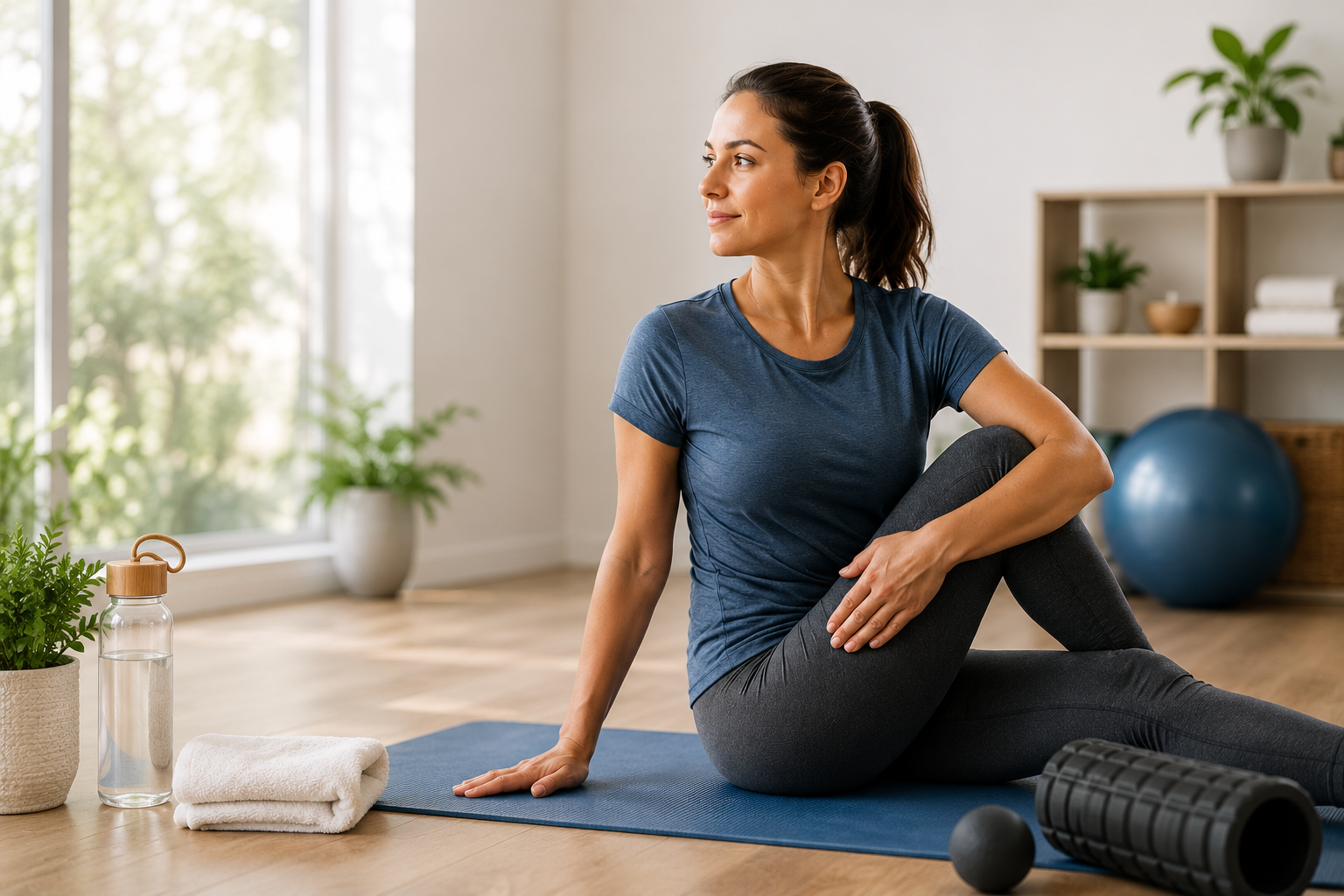
Natural pain relief techniques include cold and heat therapy, targeted movement, and technology-assisted recovery tools like the Neubie electrical stimulation device and NovoThor red light therapy. These drug-free methods address root causes rather than masking symptoms, supporting tissue healing, reducing inflammation, and restoring function without invasive procedures or medication dependence.
Natural pain relief techniques address root causes rather than merely masking symptoms like medications do.
Drug-free therapies and lifestyle changes frequently reduce the need for prescription pain medications significantly.
Eight non-invasive pain relief techniques provide effective alternatives to traditional pharmaceutical pain management approaches.
Free Motion Physical Therapy in Clearwater, Florida offers professional guidance for natural recovery methods.
Natural pain relief techniques address root causes rather than merely masking symptoms like medications do.
Drug-free therapies and lifestyle changes frequently reduce the need for prescription pain medications significantly.
Eight non-invasive pain relief techniques provide effective alternatives to traditional pharmaceutical pain management approaches.
Free Motion Physical Therapy in Clearwater, Florida offers professional guidance for natural recovery methods.
Lingering pain rarely stays quiet. Weeks or months of unresolved discomfort cause needless suffering and chip away at daily quality of life. That reality pushes many people recovering from injury or surgery to search for options beyond a prescription bottle.
Treatment choices today go far beyond what existed a decade ago. Adults managing chronic pain now have access to natural pain relief techniques that skip both pills and invasive procedures entirely. We build our approach at Free Motion around this expanded toolkit, pairing hands-on care with technology designed to address movement and function.
The best ones do — and that distinction matters. We focus on treating the root cause of symptoms, not just calming surface-level discomfort. Masking pain without correcting the underlying mechanical or neurological issue leaves patients vulnerable to repeat flare-ups.
A holistic commitment changes the whole treatment picture. Rather than isolating one joint or one complaint, we look at how the body moves as a system. This is what sets our care apart from approaches that only chase symptoms.
Consider what root-cause care typically involves:
Identifying movement patterns that create repeated strain
Restoring strength and mobility in surrounding tissue
Building a long-term plan, not a one-visit fix
Identifying movement patterns that create repeated strain
Restoring strength and mobility in surrounding tissue
Building a long-term plan, not a one-visit fix
Heat and cold applications form a proven, cornerstone method for easing pain from many types of injuries. Recovery equipment at Free Motion builds on this foundation, pairing temperature-based therapy with tools like infrared sauna, cold plunge, and LIVEО2 oxygen therapy. Together, these methods represent some of the most accessible natural pain relief techniques available to patients working through injury, surgery, or chronic pain.
Cold plunge exposure works alongside infrared sauna sessions and oxygen therapy as part of a broader recovery lineup. We use these tools together, not in isolation. Layered recovery methods tend to support the body more completely than any single approach on its own.
Stacking heat, cold, and oxygen-based therapies creates an internal environment that supports efficient, effective healing. No single method addresses every factor slowing recovery down. Combining approaches gives the body more tools to work with at once.
Our recovery lineup typically includes:
Cold plunge immersion for post-exertion recovery support
Infrared sauna sessions for heat-based therapy
LIVEО2 oxygen therapy to support the body's internal environment
Traditional cold and heat application for targeted, localized relief
Cold plunge immersion for post-exertion recovery support
Infrared sauna sessions for heat-based therapy
LIVEО2 oxygen therapy to support the body's internal environment
Traditional cold and heat application for targeted, localized relief
We also offer salt therapy as part of this broader recovery approach. Salt carries antibacterial, anti-inflammatory, and antimicrobial properties, and it can absorb irritants such as allergens and toxins from the respiratory system. That respiratory support complements the physical recovery work happening through temperature-based therapies.
None of these tools replace a diagnosis. But used together, under guidance from a physical therapist, they give recovering patients a broader, evidence-informed toolkit than ice packs and heating pads alone.
Yes — gentle movement speeds recovery by interrupting pain signals before they reach the brain. Walking, swimming, gardening, and dancing all count as effective, low-impact ways to ease discomfort without medication. These everyday activities work directly on the nervous system, not just the muscles. Skipping movement entirely, out of fear of reinjury, often prolongs stiffness and slows the healing timeline.
Movement does double duty for the body. Beyond blocking pain signals, activity stretches tight, tense muscles, ligaments, and joints that have tightened up around an injury. That stretching effect restores range of motion and reduces the guarding pattern many patients develop after surgery or a flare-up. We consider this one of the most reliable natural pain relief techniques available. It addresses mechanics and nervous system signaling at the same time.
Our therapists don't hand patients a generic sheet of exercises. We assess each condition thoroughly first, then build a plan around specific movement limitations and goals. From there, we layer in structured exercise and stretching protocols designed to rebuild mobility, strength, and long-term function.
A typical plan blends several elements:
Guided stretching to loosen stiff joints and tense muscle groups
Progressive strengthening exercises tailored to the injury or condition
Low-impact cardio activities, like walking or swimming, worked in gradually
Ongoing reassessment to adjust intensity as healing progresses
Guided stretching to loosen stiff joints and tense muscle groups
Progressive strengthening exercises tailored to the injury or condition
Low-impact cardio activities, like walking or swimming, worked in gradually
Ongoing reassessment to adjust intensity as healing progresses
Recovery rarely follows a straight line. Some weeks call for more rest; others call for pushing range of motion further. That's why we keep treatment plans flexible, adjusting protocols as strength returns and pain patterns shift.
Slow, focused breathing lowers the nervous system's alarm response, easing the muscle guarding that makes pain feel sharper. Concentrating on breath patterns during a flare-up ranks among the most accessible natural pain relief techniques available. It costs nothing to try. Ignoring breath and bracing against pain instead tightens muscles further, often intensifying the very sensation someone hopes to escape.
We build breathwork into a whole-person treatment approach at Free Motion Physical Therapy. Our goal reaches beyond masking discomfort. We aim to improve how the body functions, reduce pain at its source, and send patients home feeling noticeably better than when they arrived.
No. Breathing exercises support recovery, but they work best alongside manual therapy and structured movement. Our therapists pair hands-on techniques and therapeutic exercise with patient education. Recovering patients understand not just what we do, but why. That combination turns breathwork from a passive coping trick into an active part of long-term healing.
Sessions typically layer breath training into broader treatment goals rather than treating it as a stand-alone fix. A therapist might guide a patient through:
Diaphragmatic breathing during a painful stretch or joint mobilization
Paced inhale-exhale counts while performing therapeutic exercise
Breath awareness cues woven into patient education for home practice
Diaphragmatic breathing during a painful stretch or joint mobilization
Paced inhale-exhale counts while performing therapeutic exercise
Breath awareness cues woven into patient education for home practice
Patients then carry these skills home, using them whenever pain spikes. Repetition matters here. The more a patient practices calm breathing during discomfort, the more reliably the nervous system responds. That steady practice, combined with expert guidance, keeps patients moving toward lasting relief instead of temporary quiet.
Advanced equipment turns drug-free recovery from a guessing game into a measurable process. At Free Motion, we combine the Neubie electrical stimulation device, NovoThor full-body red light therapy, cold laser, and therapeutic ultrasound to help the body heal without relying on medication. Skipping these tools often means slower recovery and more guesswork about what's actually working.
Each device targets pain and dysfunction from a different angle. Electrical stimulation retrains muscles and nerves. Red light therapy and cold laser support cellular repair at the tissue level. Ultrasound reduces inflammation and loosens tight, guarded muscle. Together, these tools give our therapists objective ways to track healing instead of relying on how a joint "feels" on a given day.
We round out our equipment lineup with LIVEO2 oxygen therapy and a dedicated salt room. Both support the body's natural healing processes by improving oxygen delivery and easing respiratory and inflammatory stress. Neither replaces hands-on care; each one supports it.
No — technology works alongside, not instead of, direct patient care. Founder Rob Collewijn's innovative application of physical therapy techniques has produced numerous success stories worldwide. That track record comes from pairing equipment with clinical judgment. Every treatment plan stays personalized through one-on-one attention from licensed therapists, not a one-size-fits-all protocol pulled off a shelf.
That distinction matters for anyone recovering from surgery or managing chronic pain. Machines generate data; therapists interpret it and adjust in real time. We build our programs so equipment amplifies the therapist's hands, not the other way around. That combination gives our patients a clearer, more accountable path back to pain-free movement.
The best ones do. Free Motion Physical Therapy treats root causes—like movement patterns creating repeated strain—instead of just masking surface-level discomfort, which prevents repeat flare-ups.
Free Motion combines the Neubie electrical stimulation device, NovoThor red light therapy, infrared sauna, cold plunge, and LIVEО2 oxygen therapy alongside heat and cold applications for drug-free recovery.
Stacking heat, cold, and oxygen-based therapies creates an internal environment that supports healing more completely. ## Facts
Free Motion Physical Therapy is located in Clearwater, Florida, US.
Free Motion Physical Therapy is located in Clearwater, Florida, US.
